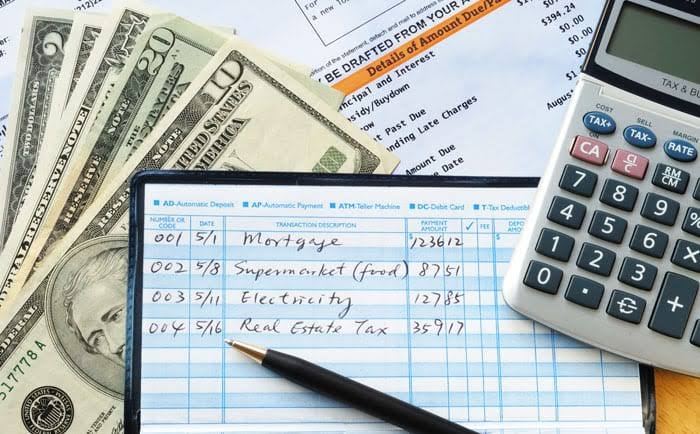
Introduction
Managing money can become stressful when expenses seem to appear faster than income. Rent, groceries, transportation, subscriptions, household bills, and unexpected costs can make it difficult to understand where your money is going.
A monthly budget gives you a clearer picture of your financial situation. It helps you organize income, plan for necessary expenses, identify spending patterns, and decide how much you can reasonably save.
Budgeting does not mean eliminating every enjoyable purchase or following a strict plan that leaves no room for flexibility. Instead, it means making deliberate choices so your money supports your priorities.
The best budget is one you can maintain. It should reflect your actual income, regular expenses, personal responsibilities, and financial goals.
Here is a practical guide to building a monthly budget that works in everyday life.
1. Understand Your Monthly Income
Begin by calculating how much money you actually receive during a typical month.
If you have a regular salary, use your take-home pay after taxes and other payroll deductions rather than your gross salary.
If you earn money through freelancing, commissions, part-time work, or a small business, your income may vary. Review previous months to estimate a realistic baseline instead of assuming that your best month will repeat.
For irregular income, it can be useful to prepare a conservative budget based on an amount you can reasonably expect. When additional income arrives, decide in advance how you will allocate it.
For example, you might use extra earnings to build emergency savings, cover upcoming annual bills, repay debt, or work toward another financial goal.
If you have several income sources, list them separately. This makes it easier to identify which sources are dependable and which fluctuate.
2. List Your Essential Expenses
Next, write down the expenses you need to cover regularly.
These may include housing, electricity, water, groceries, transportation, insurance, healthcare, childcare, and minimum required debt payments.
Review bank statements, receipts, bills, and payment records to estimate realistic amounts.
Avoid relying entirely on memory. Small recurring expenses can be easy to overlook, while annual bills may seem insignificant until they become due.
Separate essential expenses from discretionary spending. Essentials are costs associated with basic needs and important obligations, although the exact categories will differ between households.
This exercise helps you understand how much of your income is already committed before you decide how much to save or spend on optional purchases.
If essential expenses exceed your available income, focus first on identifying the shortfall and exploring practical adjustments or support options.
3. Track Your Everyday Spending
Many budgets fail because they include major bills but ignore everyday purchases.
Coffee, takeaway meals, transport fares, online subscriptions, convenience purchases, and small shopping trips can add up over time.
For one month, record your spending as accurately as possible. You can use a spreadsheet, budgeting application, notebook, or banking transaction history.
Group purchases into broad categories so you can identify patterns.
The goal is not to criticize every purchase. It is to understand how your money is being used.
You may discover that a subscription is no longer useful, that food purchases are higher than expected, or that a particular expense is unavoidable.
Once you understand your spending, you can decide which changes would make the greatest difference without making your daily life unnecessarily difficult.
4. Choose a Budgeting Method
There is no single budgeting system that works for everyone. The right approach is one that matches your income, habits, and financial responsibilities.
One popular approach is the 50/30/20 guideline. Under this framework, approximately 50% of take-home income is allocated to needs, 30% to wants, and 20% to savings and debt repayment beyond required minimums.
These percentages are only a starting point, not a rule that every household can follow. Housing costs, income levels, debt obligations, family responsibilities, and local living expenses can make different allocations more realistic.
Another option is zero-based budgeting. In this method, you assign a purpose to every unit of expected income until the amount remaining unallocated is zero. That does not mean spending all your money; savings and debt payments can also be assigned categories.
You can also use a simple priority-based budget that covers essential expenses first, sets aside a manageable savings amount, and allocates the remainder to other needs.
Try one method for a month and adjust it based on your experience.
5. Set Realistic Savings Goals
Saving becomes easier to plan when you know what the money is for.
Your goals might include building an emergency fund, preparing for education costs, purchasing a necessary item, taking a planned trip, or saving for a long-term objective.
Give each goal a target amount and an approximate time frame.
For example, if you want to save $600 over 12 months, you would need to set aside an average of $50 per month, assuming no interest and no withdrawals.
If that amount is not affordable, adjust the target, extend the time frame, or look for ways to increase available income.
Start with an amount you can maintain consistently. Even a small regular contribution can help establish the habit of saving.
If your income changes frequently, consider making contributions based on what is available after essential expenses rather than committing to an unrealistic fixed amount.
6. Build an Emergency Fund Gradually
Unexpected expenses can disrupt even a well-planned budget.
A medical bill, urgent home repair, temporary loss of income, or essential vehicle repair may require money that was not included in your usual monthly expenses.
An emergency fund provides a financial buffer for these situations.
If you are starting from zero, focus on building a small initial reserve that could cover an unexpected essential expense. You can then work toward a larger fund based on your circumstances.
Some financial guidance suggests saving several months of essential expenses, but the appropriate target depends on job stability, household responsibilities, available support, and other financial commitments.
Keep emergency savings accessible and separate from everyday spending where practical.
Do not feel discouraged if you cannot reach a large target immediately. Building the fund gradually is often more realistic than trying to save an amount that your budget cannot support.
7. Plan for Irregular and Annual Expenses
Some expenses do not occur every month, but they are still predictable.
Examples include annual insurance premiums, school costs, vehicle maintenance, holiday spending, property-related expenses, and yearly subscriptions.
If you ignore these expenses, they can make an otherwise balanced budget appear unsuccessful.
Estimate the annual cost of each item and divide it by 12 to calculate a monthly amount to set aside.
For instance, if an annual bill is expected to cost $360, setting aside $30 per month would help prepare for it.
The actual amount may change, so review estimates periodically. This approach turns large, occasional payments into more manageable monthly planning decisions.
8. Manage Debt Carefully
Debt payments can place pressure on a monthly budget, particularly when interest rates are high.
Start by listing your outstanding balances, interest rates, minimum payments, and due dates.
Make sure your budget accounts for required minimum payments. If you have additional money available, you can consider directing it toward debt repayment according to your priorities.
One approach focuses on paying off the highest-interest debt first, which can reduce interest costs over time. Another focuses on the smallest balance first, which may provide a motivational benefit as accounts are paid off.
The best strategy depends on your circumstances and the terms of your debts.
Avoid taking on new high-cost debt simply to maintain discretionary spending. If repayments are becoming unmanageable, contact your lender or a reputable nonprofit financial counselling service where available.
9. Reduce Expenses Without Making Life Miserable
Budgeting is not about removing every enjoyable activity. It is about choosing which expenses provide enough value to justify their cost.
Review subscriptions, insurance options, mobile plans, utility usage, and recurring service charges.
Before cancelling something, consider whether it serves an important purpose. For example, a tool that supports your work may be more valuable than a rarely used entertainment subscription.
You can also plan meals, compare prices, avoid unnecessary duplicate purchases, and establish a waiting period before making nonessential purchases.
Small changes can help, but avoid assuming that every financial problem can be solved by cutting minor expenses. When income is insufficient to cover basic needs, increasing income or seeking appropriate support may be necessary.
10. Review Your Budget Every Month
A budget should change when your circumstances change.
At the end of each month, compare planned spending with actual spending. Identify categories where you spent more or less than expected and determine why.
Perhaps your electricity bill increased, transportation costs changed, or a planned expense did not occur.
Use this information to improve the next month’s budget rather than treating every difference as a failure.
You may find it useful to schedule a short monthly review. Check upcoming bills, savings progress, debt balances, and any major expenses expected in the next few weeks.
If you share finances with a partner or household member, discuss changes together so everyone understands the priorities and responsibilities.
Conclusion
A successful monthly budget is a practical tool for making financial decisions with greater confidence.
Start by understanding your income, listing essential expenses, tracking everyday purchases, and choosing a budgeting method that fits your life. Set realistic savings goals, prepare for irregular bills, and review the plan regularly.
Your first budget does not need to be perfect. It needs to be useful enough to help you understand where your money goes and decide what you want it to do.
Over time, small improvements can help you prepare for unexpected costs, reduce financial stress, and work toward a more stable financial future.